
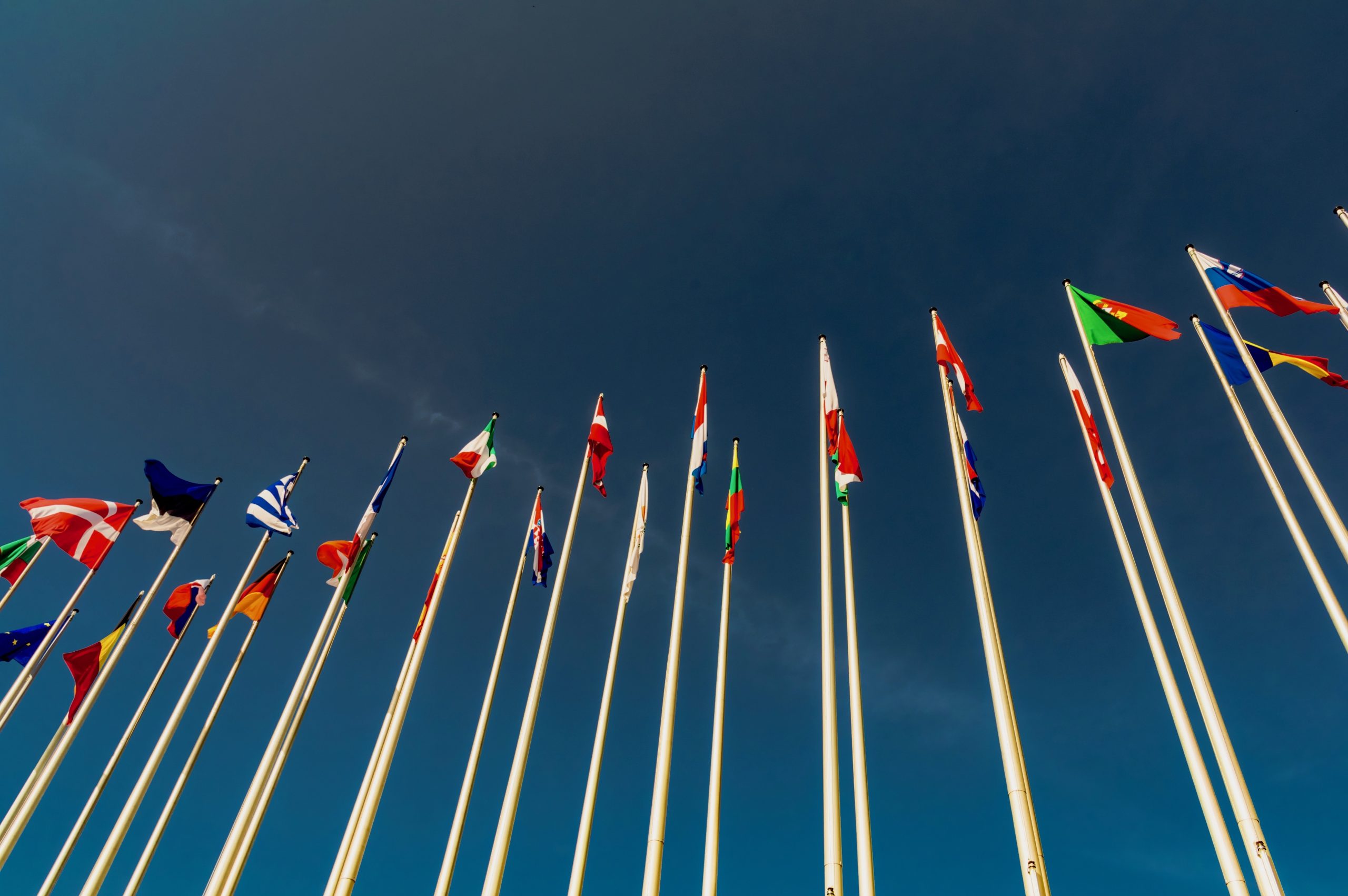
Many of today’s major challenges do not stop at national borders. Issues such as climate change, public health, trade, migration, technology and security require countries to keep talking, coordinating and working together. This is where multilateralism – cooperation through shared rules, dialogue and institutions – becomes important, especially when no country can solve these challenges alone. Multilateralism is not about making all countries the same. Its value lies in helping diverse nations manage differences, balance national priorities with shared responsibilities, premised on the belief that “together we are stronger.”
Yet the multilateral system is under growing pressure, with rising geopolitical tensions and as nationalist objectives and unilateral actions detract from multilateral organisations. According to the Global Cooperation Barometer, the metrics for broad multilateral cooperation have dropped by more than 20% since 2019, even as cooperation continues through more flexible smaller groupings, regional platforms and practical partnerships. From the United Nations to the World Trade Organization, many institutions are facing difficult questions about trust, effectiveness, representation and political will. The IMF estimates that serious fragmentation of the global economy along geopolitical lines could cost the world up to 7% of global GDP, with developing nations bearing the heaviest burden. With the outbreak of war in the Middle East, the 2026 World Economic Outlook predicts global growth to fall to 3.1% in 2026 and 3.2% in 2027 in the case of a conflict of limited duration and scope.
Regional and inter-regional cooperation, including ASEAN and the European Union, demonstrate how historical enemies with diverse political systems and levels of development can build peace, foster strategic links of interdependence and work together to address common concerns. The Asia-Europe Meeting (ASEM) has since 1996, provided a platform for dialogue and cooperation among the nations of the two regions, which represent a major share of the world’s population, economy and trade[1]. Amid geopolitical divisions that have also affected ASEM, ASEF – ASEM’s only permanent institution – underscores continued support of Asia-Europe cooperation. Through exchanges, seminars and programmes across key thematic areas, ASEF continues to promote mutual understanding and connect civil society, youth, policymakers, professionals and experts of Asia and Europe, prioritising multilateralism and helping to build resilient Asia-Europe ties.
[1] In 2024, ASEM partners collectively represented a total population of over 4.9 billion people (Worldometer); total GDP of over US$59 billion (World Bank); and total tourism receipts of over US$844 billion (World Bank and UN Tourism). Total trade in goods was worth more than US$1.1 trillion in 2023 (World Bank).
Sources:
World Economic Outlook, April 2026: Global Economy in the Shadow of War
United Nations (UN), 2025 , ‘Multilateral System’ UN
International Monetary Fund (IMF), 28 August 2023, ‘The High Cost of Global Economic Fragmentation’, IMF, , Washington, DC
Bob Sternfels, 12 January 2026, ‘Global Cooperation’s New Shape’, Forbes
EEAS, 27 August 2025, ‘The European Union and ASEAN’, EEAS
UNCTAD, 17 March 2026, ‘Reforming global trade rules key to supporting developing economies’, UNCATD
At the end of the day, challenges like climate change, public health, and trade can’t be solved by any one country alone. Even if multilateralism is imperfect, it still seems like the best framework we have for dealing with shared global problems.
Many of the complex challenges we face today are global, and nature for one does not know borders. Collaboration is key indeed.
ASEAN and the EU are interesting examples because they show that cooperation is possible even among countries with very different political systems, histories, and levels of development. It’s not perfect, but it proves that long-term dialogue can reduce conflict and build some level of trust.
Thanks Fleur for your comment and good reflections.