
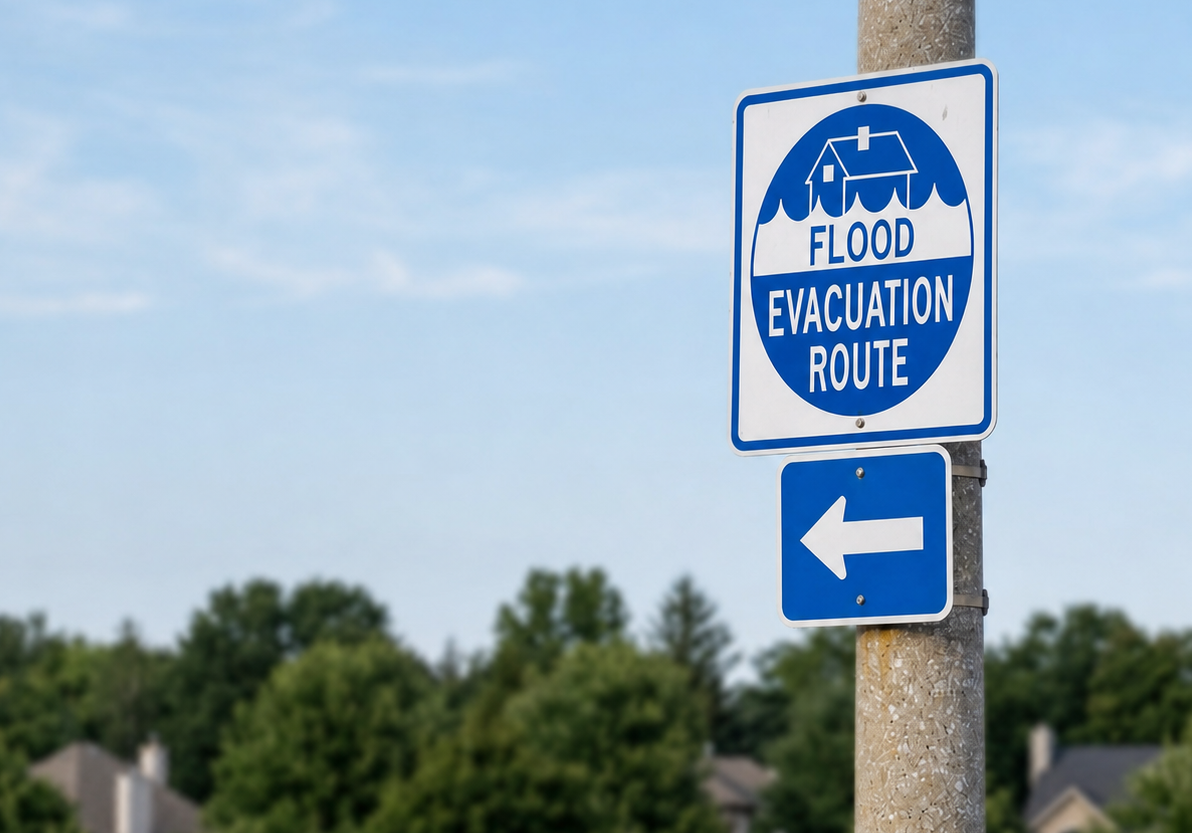
Almost every major disaster today carries the same signature: climate. Climate-related events accounted for 6,681 of the 7,348 major disasters recorded worldwide between 2000 and 2019, ie more than 90 percent, according to the UN Office for Disaster Risk Reduction. Asia and the Pacific are among the world’s most disaster-prone regions, facing increasingly severe floods, tropical cyclones, earthquakes, droughts and landslides. Europe is the fastest warming continent in the world, with extreme weather and climate-related hazards becoming more frequent and intense in many regions.
Despite the vast distance between Asia and Europe, this is thus another area of cooperation, helping to enhance early warning systems, expedite humanitarian aid and strengthen resilience against future crises. On the European side, the EU Civil Protection Mechanism has been activated more than 800 times since 2002, while ASEAN’s own AADMER framework and its “One ASEAN, One Response” doctrine provides a parallel architecture in the region. In October 2024, ASEAN’s Coordinating Centre for Humanitarian Assistance on disaster management (AHA Centre) and the European Commission formalised their partnership through an Administrative Arrangement on knowledge exchange, expert deployment, training and emergency response. Backed by more than €11 million in EU funding to strengthen the AHA Centre’s operational capacity, the arrangement has translated dialogue into shared satellite data, joint simulation exercises and faster mutual assistance requests.
Recent examples of cooperation include responses after a magnitude 7.8 earthquake struck offshore Sarangani in the southern Philippines on 8 June 2026. Copernicus satellite mapping was activated following the Sarangani earthquake, while the EU–Philippines CopPhil programme supported the Philippines’ use of Copernicus data for hazard management and disaster resilience. In 2025, Vietnam’s disaster management authority requested the EU’s Copernicus satellite mapping service after experiencing five successive tropical cyclones, including Typhoon Kalmaegi and Typhoon Bualoi. Vietnam also secured the European Commission’s approval of more than €650,000 in humanitarian funding.
At this juncture, we also remember World Humanitarian Day on 19 August, dedicated to recognising humanitarian personnel and those who have died working for humanitarian causes. No disaster relief and humanitarian assistance is possible without people, such as Red Cross Society staff, volunteers, as well as specialists deployed to the ground once a disaster is declared. A shout-out to humanitarian personnel all over the world.
Sources:
ReliefWeb, 14 July 2026, ‘ASEAN Weekly Disaster Update Week 28 | 6 – 12 July 2026’, ReliefWeb
CopPhil, 2026, ‘CopPhil Initiative’, CopPhil
DisastersCharter, 8 June 2026, Earthquake in Philippines, disasterscharter.org
European Commission, 12 July 2023, ‘Disaster Preparedness’, European Commission
European Civil Protection and Humanitarian Aid Operations, European Commission; Civil Protection
Post Your Comments