
In August 2026, an ice and rock collapse near the Nepal–China border sent a destructive flood down Nepal’s Trishuli River valley that reached India’s Bilhar’s state within days and forced evacuations there and in neighbouring Indian states. More than 1,400 people were killed and thousands are still missing. Scientists are careful not to draw any direct link between the collapse and climate change, but it fits a documented pattern: glaciers across the Hindu Kush-Himalaya, the source of the continent’s largest river systems, are . As the climate changes, shifts in rainfall and seasonal water flows add to the challenge of managing shared rivers.
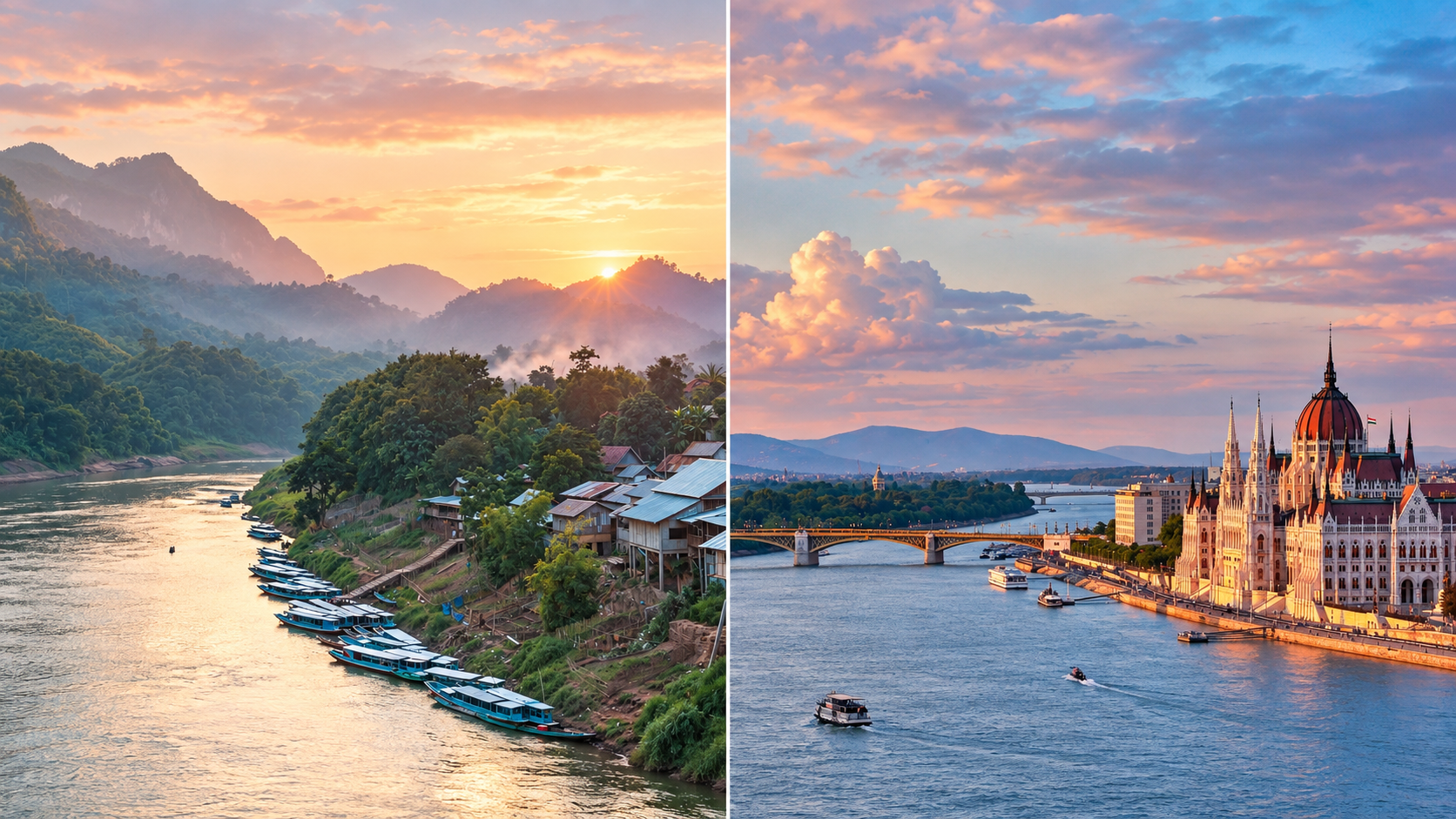
Experts also warn that almost 40% of the world’s shared river basins could face water conflicts by mid-century if countries do not work together. The IPCC warns that water insecurity can lead to social unrest, especially where inequality is high and water management is weak. In Southeast Asia’s Mekong basin, Cambodia, Laos, Thailand and Vietnam work through the Mekong River Commission to monitor the basin and coordinate water management, together with China and Myanmar, which are located at the upstream on the river’s main stem, as dialogue partners. Reduced dry-season flows and sea level rise already push saltwater up to 90 kilometers inland during dry years – a 2016 salinity crisis destroyed nearly 240,000 hectares of rice at a cost US$450 million. In 2020, there was a concrete breakthrough when China agreed to share year-round hydrological data from key upstream monitoring stations, extending a wet-season arrangement to help improve flood and drought forecasting downstream.
European rivers face similar challenges and are backed by long established institutions, such as the International Commission for the Protection of the Rhine (ICPR) between Switzerland, France, Germany, Luxembourg and the Netherlands. It warned in 2025 that winter flood risks and summer droughts were accelerating faster than models assumed, as Alpine glacier melt shrunk. Further east, the Danube basin is shared by 19 countries. Following record-low water levels this summer, the Danube Commission proposed an Action Plan for adapting Danube navigation to Climate Change that would include dredging, monitoring shallow sections and adapting infrastructure.
The Mekong, Rhine and Danube commissions have much experience to share on addressing river challenges and links between them exist. The opportunity now is to make those exchanges more regular and practical, particularly on flood forecasting, early warning systems and addressing climate change. As countries prepare for the UN climate conference in Antalya this November, closer Asia–Europe cooperation on shared rivers could help turn lessons from one basin into better preparation or even prevention in another.
Sources:
Soutik Biswas, 3 September 2026, ‘Why Nepal floods should worry India’, BBC
Mongabay, April 2026; Saline Intrusion in Mekong Delta Leaves Farmers and Scientists at Odds
Stockholm Environment Institute; Dams and Droughts, Data and Diplomacy in the Mekong
ICPDR; Contracting Parties to the Danube River Protection Convention
IUCN, October 2024; Transboundary Cooperation in the Mekong and International Water Law
ICPDR; Partnerships Beyond the Basin
UNFCCC; The Road to Antalya (COP31, 9–20 November 2026)
Post Your Comments